
Sales and Marketing Technology Stack
Building a Technology Stack That Supports Growth
The number of sales and marketing technology tools available to B2B businesses has exploded over the past decade. From CRM systems and email automation platforms to call recording software, intent data providers, and AI-powered analytics tools, the options are overwhelming — and the cost of building the wrong stack can be significant, both in money spent and in the time wasted managing tools that do not integrate cleanly or deliver what was promised.
Yet the right technology stack, thoughtfully assembled and properly adopted, genuinely transforms sales and marketing performance. Tools that give your team better data, reduce administrative burden, automate repetitive tasks, and provide clear performance visibility allow your people to spend more time on the high-value activities that actually generate leads and close deals.
This guide cuts through the noise to focus on what matters: the categories of technology that consistently deliver value in B2B sales and marketing environments, what to look for in each, and how to build a coherent stack rather than a collection of disconnected tools.
The CRM: Your Technology Foundation
If you have only one technology investment to make, make it a good CRM. The Customer Relationship Management system is the central database of your sales and marketing operation — the place where all prospect and client information lives, where pipeline is tracked, where activity is recorded, and where performance is measured.
A CRM that is properly set up and consistently used by your team gives you a complete picture of every prospect relationship: every call made, every email sent, every meeting held, every deal in progress. Without this, your pipeline management is based on memory and guesswork rather than data — and the inevitable consequences are missed follow-ups, lost deals, and an inability to forecast reliably.
When selecting a CRM, prioritise adoption over features. The most powerful CRM in the world is worthless if your sales team does not use it. Look for a system that fits naturally into your team's workflow, requires minimal data entry, and gives salespeople information they find genuinely useful rather than imposing administrative burden. Salesforce, HubSpot, Pipedrive, and Zoho are all popular in UK B2B environments — each with different strengths depending on your team size and complexity.
Email Marketing and Automation
Email remains one of the most cost-effective channels for B2B lead nurturing and direct outreach. An email marketing platform allows you to manage contact lists, send targeted campaigns to specific segments, track engagement, and automate sequences based on prospect behaviour.
For outbound prospecting, tools that enable personalised one-to-one email outreach at scale — sometimes called sales engagement platforms — combine email with call tasks and LinkedIn touchpoints into a coordinated multi-step sequence. Tools in this category (Outreach, Salesloft, Woodpecker, and others) are particularly valuable for businesses running systematic outbound campaigns alongside their telemarketing activity.
Whatever platform you choose, ensure it integrates with your CRM so that email activity is automatically logged against the relevant contact record. Manual data entry between systems creates inconsistencies and is rarely sustained by busy teams.
Data and Intelligence Tools
Your sales and marketing technology stack is only as good as the data that flows through it. Investment in data quality and intelligence tools pays dividends across every other part of your stack.
B2B data providers give you access to accurate, current information on the businesses and decision makers you are targeting — including contact details, company information, and in many cases signals about buying intent. Tools like LinkedIn Sales Navigator, Cognism, ZoomInfo, and Apollo are widely used in UK B2B sales environments. The right choice depends on your target market, your budget, and which tool provides the best coverage and data quality for your specific sectors.
Data hygiene tools that automatically flag and clean inaccurate or outdated records in your CRM save significant time and prevent the frustration of calling wrong numbers or emailing lapsed contacts. Regular data cleansing — whether automated or through a service like the one XL Marketing provides — should be part of your data management routine.
Call Management and Recording
For businesses running outbound calling campaigns, a cloud-based telephony system with call recording capability is essential. Call recordings allow managers to review and coach on individual calls, identify successful approaches to share with the wider team, and resolve any disputes about what was agreed in a conversation.
Modern cloud telephony systems also provide call analytics — volume, duration, connection rates, and team-level performance data — that feed into your overall marketing performance reporting. Integration with your CRM means that call activity is automatically logged, reducing the administrative burden on callers and ensuring your pipeline data stays accurate.
Analytics and Reporting
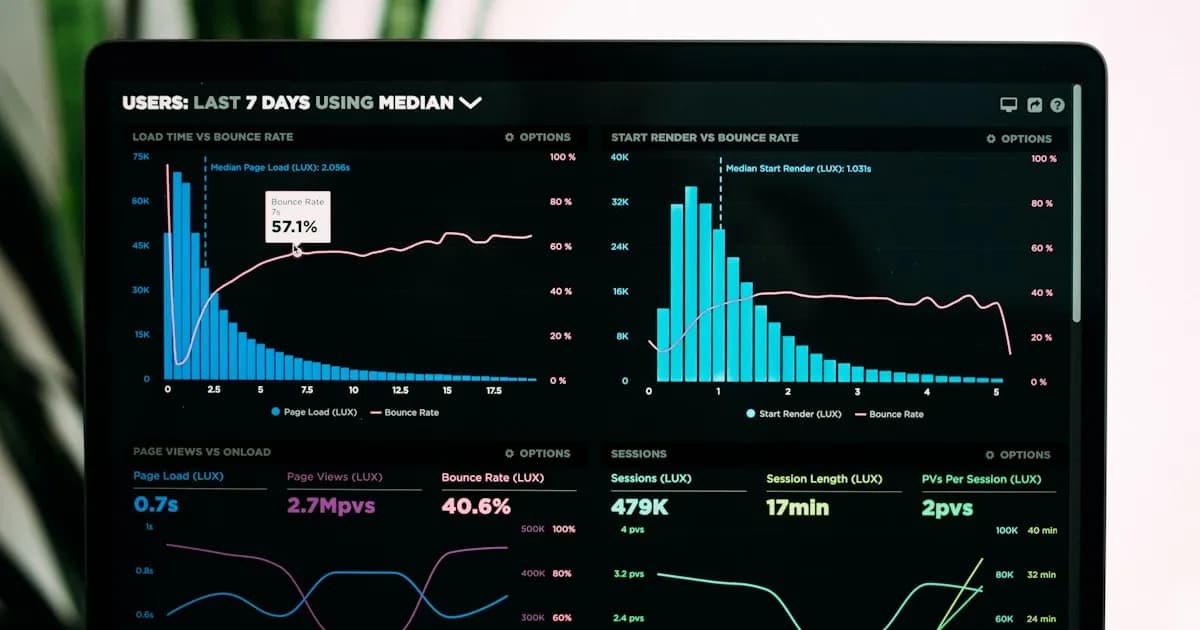
You can only manage what you can measure. Analytics tools — from Google Analytics for website performance to dashboard tools like Google Looker Studio or Databox that aggregate data from multiple sources — give you the visibility to understand what is working and what needs to change.
Build a simple reporting dashboard that tracks the metrics most important to your business: lead volume and quality, cost per lead, conversion rates at each pipeline stage, and revenue generated from marketing activity. Review it weekly at team level and monthly at management level. The discipline of regular, data-led review is what separates businesses that continuously improve from those that repeat the same approaches regardless of results.
Integration: Making Your Stack Work as a System
The biggest risk in building a technology stack is ending up with a collection of siloed tools that do not communicate with each other. When your email platform does not talk to your CRM, activity data is not logged automatically. When your calling tool is separate from your pipeline data, callers cannot see prior contact history. When your analytics data is spread across multiple platforms that cannot be combined, you cannot see the full picture.
Prioritise integration when selecting any new tool. Check whether it offers a native integration with your CRM, or whether it connects via a middleware platform like Zapier or Make. The goal is a system where data flows automatically between tools without manual intervention — giving your team a single, consistent view of every prospect relationship.
At XL Marketing, we use technology to enhance our campaign delivery and reporting for clients, ensuring that every lead and appointment we generate is accurately tracked and attributed. If you would like to discuss how a structured outbound campaign can integrate with your existing sales technology, contact our team.